
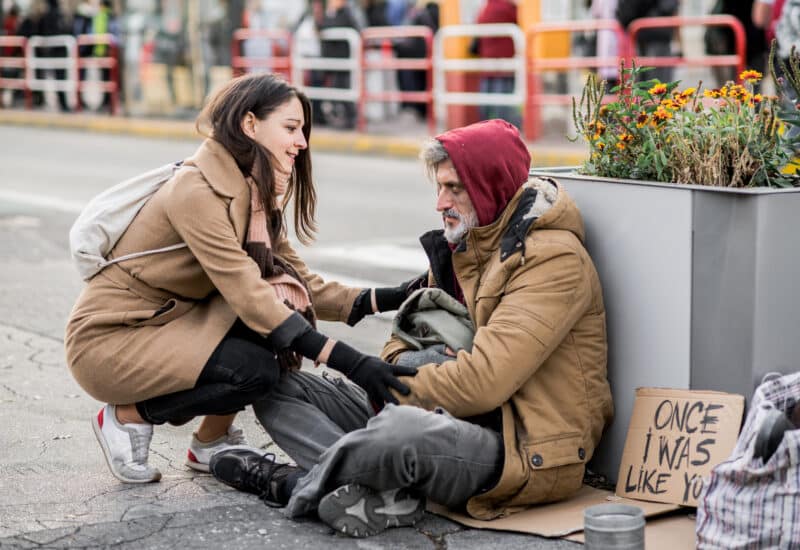
Given that the vast majority of our unhoused neighbors struggle with overlapping substance use and mental health challenges (co-occurring disorders)—compounded by the devastating realities of the ongoing opioid crisis—we step directly into the gap with immediate, on-the-ground support, placing expedited education, vital resources, and life-saving tools like Narcan right where they are needed most.
As local Point-in-Time data repeatedly confirms, individuals trapped in these cycles face persistent, overwhelming barriers without coordinated, localized stabilization and direct pathways off the street. To solve this, Phase 3 focuses heavily on guiding participants toward clinical substance use treatment as the primary gateway. This clinical step represents the critical turning point where true healing begins—replacing the constant, exhausting survival mode of the streets with a secure, medically supported space dedicated entirely to physical and mental wellness. Within these treatment settings, participants dive into the deep, hard work of real change: learning the underlying mechanics of addiction and engaging with progressive, evidence-based treatments that form the absolute core of long-term success.
Upon completing formal treatment—or for those who do not present with a substance use disorder—participants transition directly into structured Sober Living Environments or affordable living stabilization as the next vital stage of our continuum. We understand firsthand that these structured spaces provide far more than a roof: they offer critical security away from the streets, the peer-backed accountability required to maintain sobriety, and a secure launchpad to develop the longer-term goals that lead directly into Phase 4. Rather than leaving participants to navigate a fragmented network of local resources alone, our team acts as the steady, reliable human bridge to professional care, ensuring every participant's readiness to change is met with a seamless, coordinated handoff toward permanent stability.
The path to recovery is a deeply personal journey that begins with trust. We connect with our participants through consistent outreach and the dignity of our mobile services. By fostering authentic, non-judgmental relationships, we create the safety necessary for individuals to open up about their needs. When we replace stigma with genuine empathy, the desire to change is often already there, waiting for a reliable hand to reach out.

Our role is to be the reliable bridge between readiness and action:
True stability extends far beyond individual recovery—it directly safeguards our natural environment. The reality is that unhoused populations frequently camp in vulnerable riverbeds and waterways out of pure survival necessity. However, unmanaged, prolonged encampments along these riverbanks and coastal zones pose severe environmental risks to local ecosystems.
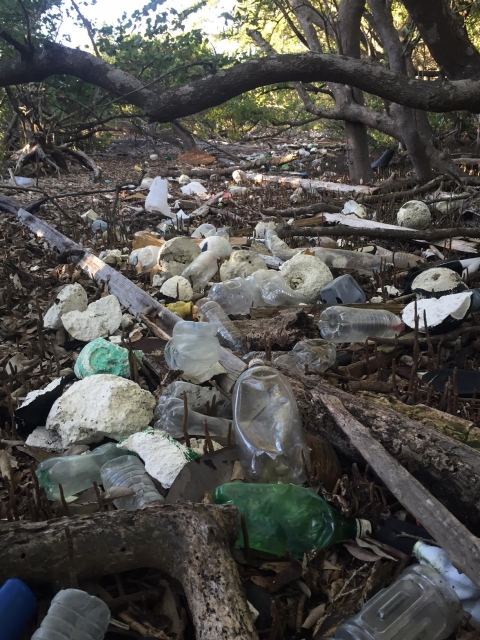
Unchecked encampments leave behind heavy accumulations of plastics, trash, and harmful contaminants that are notoriously difficult to clean up once they wash downstream into our waterways and out into the protected marine sanctuary of the Monterey Bay. This debris causes significant habitat destruction, threatening local wildlife and sea birds that depend on clean coastal habitats to survive.
By reducing the number of encampments through our human dignity approach and targeting these sensitive areas during outreach, we embrace our civic duty to protect the land and waters we share. It is our collective responsibility to keep our coastline pristine, ensuring that the natural beauty of our bay and beaches is preserved for the community, the wildlife, and future generations.
To explore how our operational framework actively protects natural resources and marine environments, read more on our Project Beachfront & Watershed Initiative.
Founder’s Perspective
"We have seen how quickly someone ready to change can be defeated by a confusing, cold system. We do not try to replace medical experts; we act as the essential human link. We designed this phase to bridge the gaps that lead to relapse, ensuring that the transition from the streets to professional treatment and structured living is handled with the personalized, peer-to-peer support that helps our participants stay on course. We aren't forcing a path; we are clearing one."